about me.
I'm Jishnu, a product designer based in Muscat.
My work sits between visual craft, systems thinking, and a curiosity about how people make sense of complex things.
I was born in India, grew up in Oman, studied engineering in the United States, and later studied product design in Canada. Moving between these places has shaped how I see people, products, and the assumptions hidden inside everyday experiences.
It has also made me comfortable entering unfamiliar environments, asking questions, and learning how a system works before trying to change it.
Today, I use that perspective to turn complicated ideas and specialised domains into digital products that feel clear and considered.
tool stack.
-
 Figma
Figma -
 Framer
 -
 Webflow
 -
 Procreate
 -
 Notion
 -
 MidJourney
 -
 Claude Code
 -
 Codex
Codex -
 GitHub
 -
 JIRA
JIRA
where it started.
I was born in Nagpur and raised in Muscat.
I attended an international school in Oman, surrounded by classmates and teachers from different countries, cultures, and ways of thinking. From an early age, there was rarely only one perspective in the room.
That environment taught me to observe before assuming. The same idea has stayed with me as a designer. What feels obvious to one person may be confusing, unfamiliar, or interpreted differently by someone else.
Long before I knew what product design was, I spent most of my time drawing. My school notebooks would have chemistry formulas on one page and action-packed stick-figure battles unfolding in the margins.
My teachers noticed the drawings and, thankfully, encouraged them.
One of my first design projects came in middle school, when I wrote and illustrated a book about the history of cars. I did not think of it as design at the time. I simply enjoyed researching something, organising the information, and finding a visual way to tell the story.
Cars eventually led me to videogames.
Midtown Madness was an early favourite. I spent hours driving a Volkswagen Beetle around the city, but playing the game was only part of the appeal. I also wanted to modify it, personalise it, and understand how its different pieces worked.
Around the same time, my brother and I were discovering Flash games through Hot Wheels and Miniclip. With dial-up internet, choosing a game was a commitment. We would select one, wait patiently for it to load, and guard the landline so nobody interrupted the connection.
Those experiences made computers feel less like appliances and more like spaces that could be explored, changed, and made your own.
Art taught me to pay attention to expression. Games taught me about interaction. Modding taught me that the things on a screen were built by someone, which meant they could also be understood and improved.
learning across places.
After growing up in Oman, I moved to the United States to study Industrial Engineering at Louisiana State University.
Engineering taught me to look at the relationships between people, processes, information, and technology. It encouraged me to step back from an individual problem and understand the larger system producing it.
I later moved to Toronto to study UX and product design at General Assembly.
Canada introduced me to a different design culture and gave me a language for many of the instincts I had developed through drawing, engineering, games, and experimentation. I learned how research, interaction, visual communication, and technology could come together within a single discipline.
Studying in the United States and Canada after growing up in Oman made me more aware of how strongly context shapes behavior.
People bring different expectations to the same interface. Institutions work differently. Language changes how information is understood. Even familiar actions, such as making a payment or submitting a request, can carry different levels of trust, urgency, and complexity depending on where someone is from.
This is why I try not to treat users as a single, universal group. Good design begins by understanding the environment people are operating within.
from engineering to design.
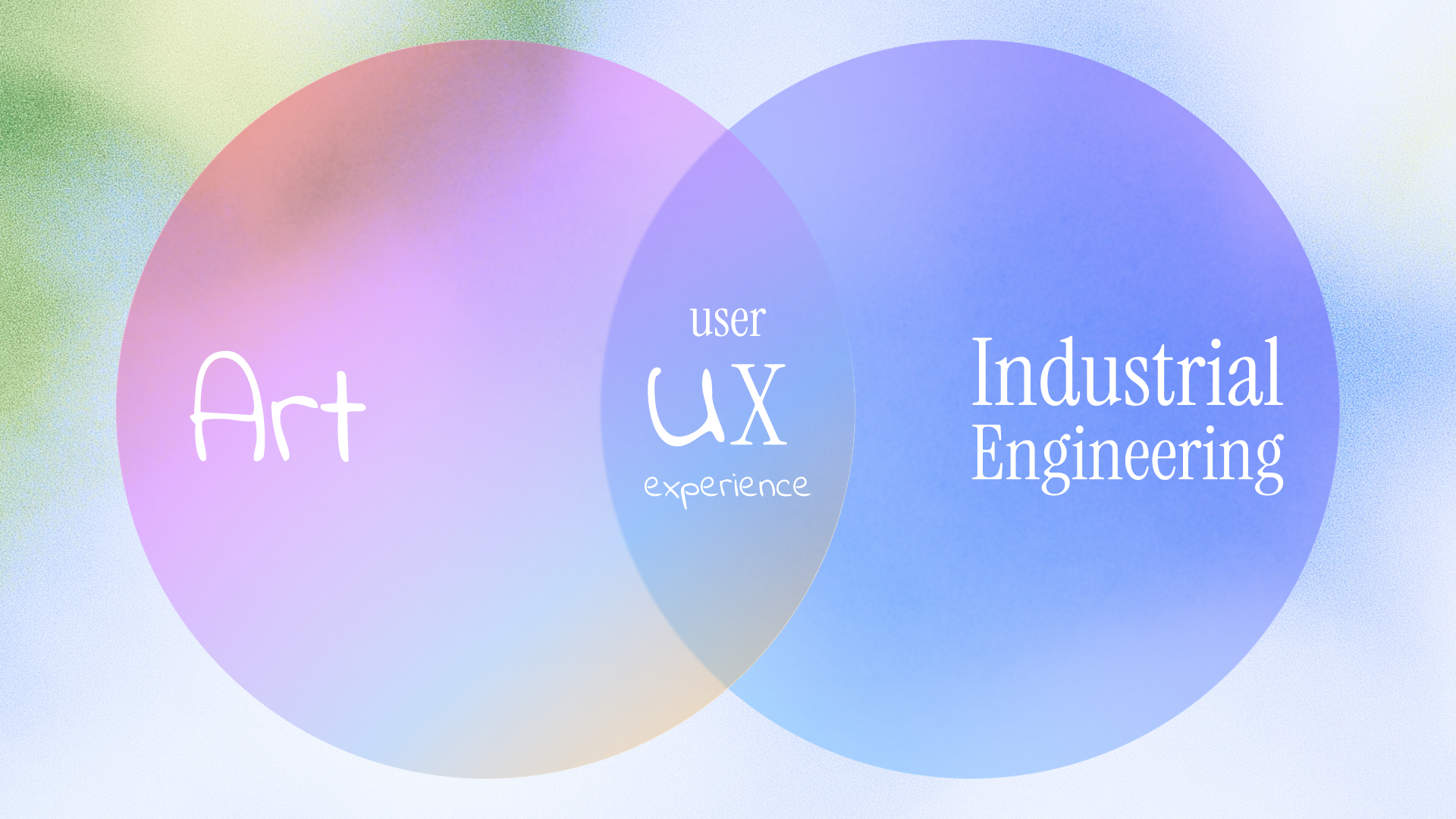
The move from engineering into product design was not as unexpected as it might seem.
Industrial engineering examines how systems work. Product design asks how those systems are experienced.
Both require you to find relationships, identify friction, balance competing needs, and make complexity manageable. Design gave me the tools to turn that thinking into something people can see, understand, and use.
Today, I work as a product designer at Rihal in Oman.
My work has taken me across government services, enterprise platforms, artificial intelligence products, consumer applications, and data-heavy dashboards. Many of these projects involve stakeholders with different levels of technical knowledge, professional backgrounds, and cultural expectations.
The subject matter changes, but the central challenge is usually the same: understand the system, find what matters, and make it easier for someone to act.
how i work.
My process begins with listening.
Before designing screens, I try to understand the people involved, the environment around the product, and the difference between the problem being described and the problem people are actually experiencing.
Working across cultures has made this especially important to me. I try to notice when a decision is based on evidence and when it is based on an assumption that has gone unquestioned.
From there, I look for structure. I map information, identify relationships, explore references, and make the problem visible enough for the team to discuss it clearly.
Then I make something tangible.
That might be a rough flow, a prototype, a visual direction, or a working interface. The goal is not to protect the first idea. It is to create something concrete enough to test, question, and improve.
I value polished execution, but polish works best when it supports the product. Motion should explain what changed. Visual hierarchy should guide attention. A design system should make future decisions easier. Every detail should have a reason to be there.
outside the screen.
Outside of product design, I still spend time drawing, exploring visual ideas, learning about cars, experimenting with websites, and playing videogames.
Games remain one of my biggest creative reference libraries.
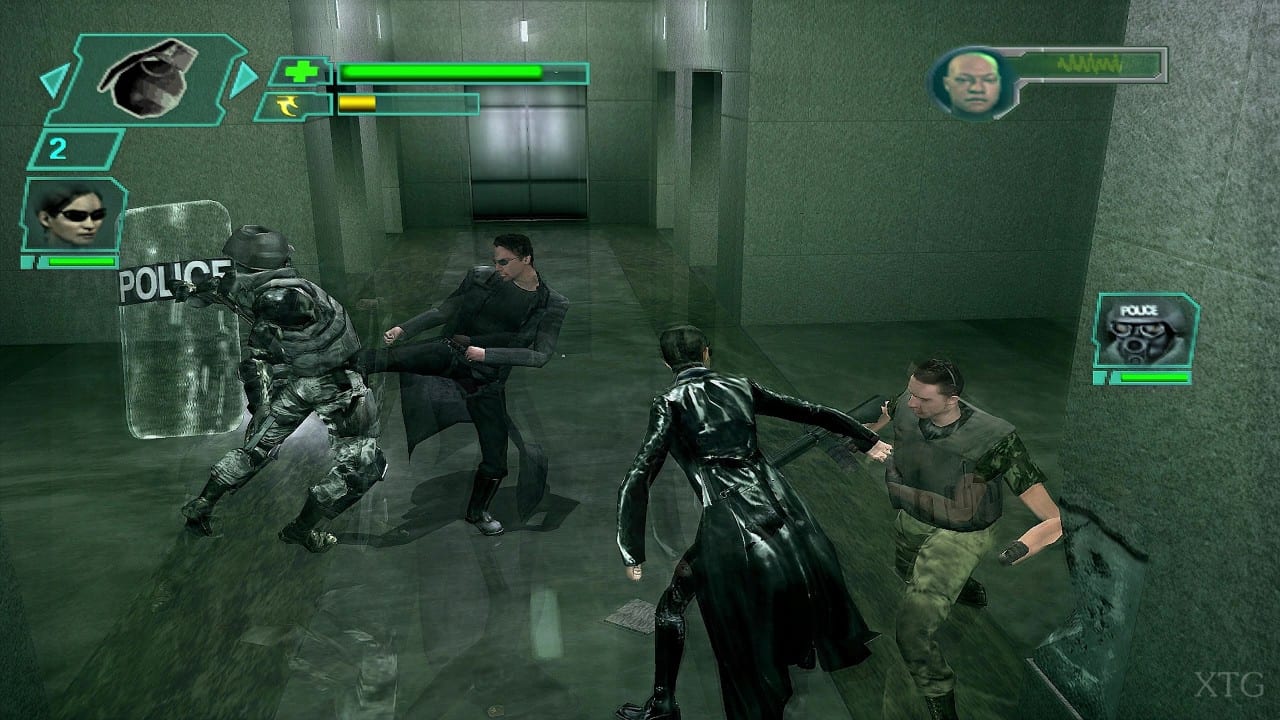
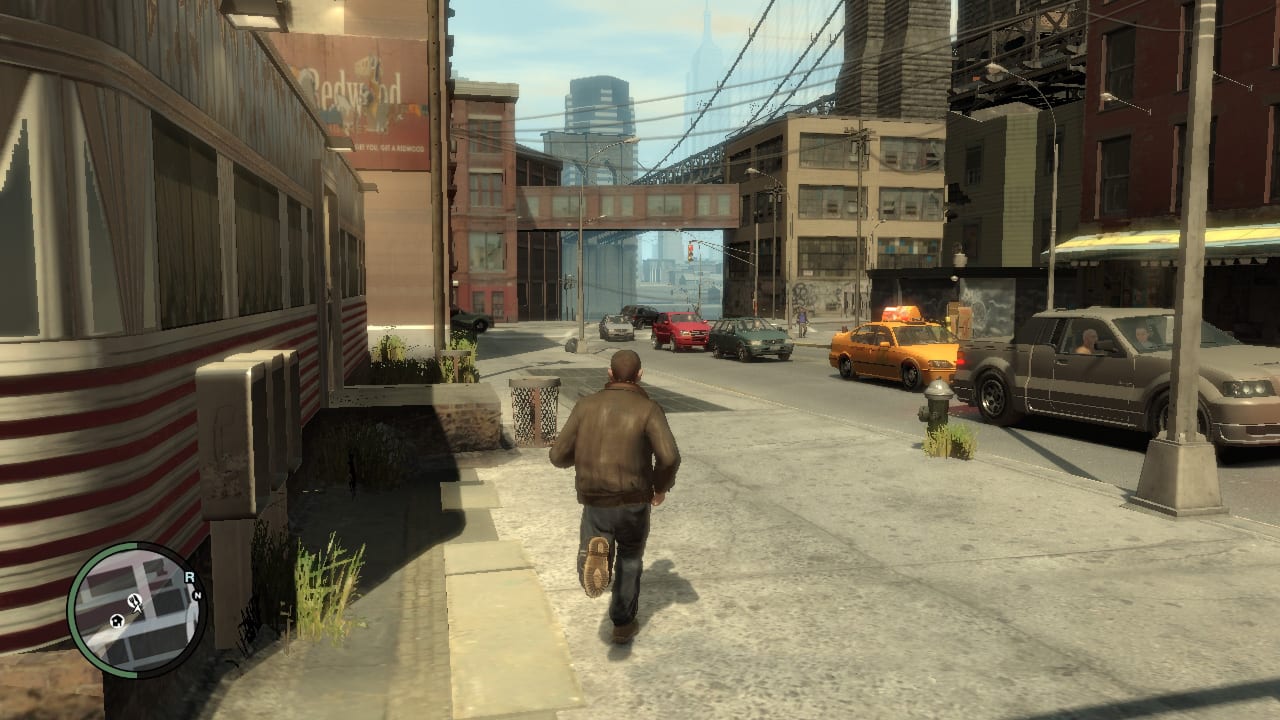
My first console was a PlayStation 2, thanks to my brother. Games such as The Getaway: Black Monday showed me how an experience could guide someone without constantly placing instructions on the screen. Grand Theft Auto: San Andreas demonstrated how interface, music, environment, and culture could work together to make a fictional place feel real.
Other games taught me about feedback, progression, world-building, movement, atmosphere, and the importance of making the player feel capable.
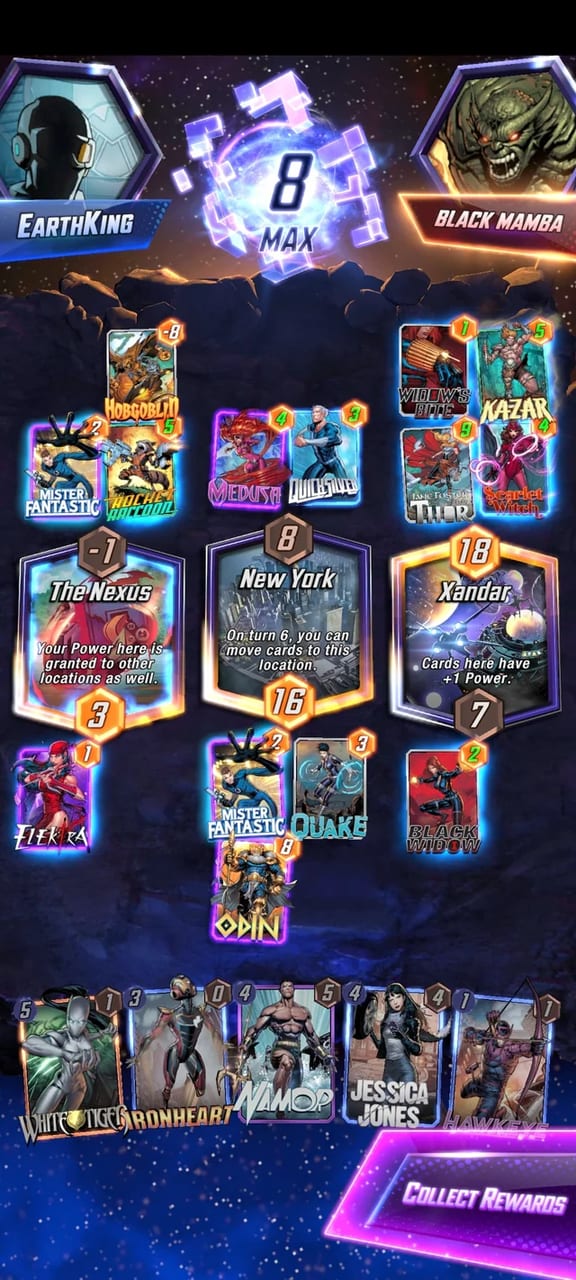
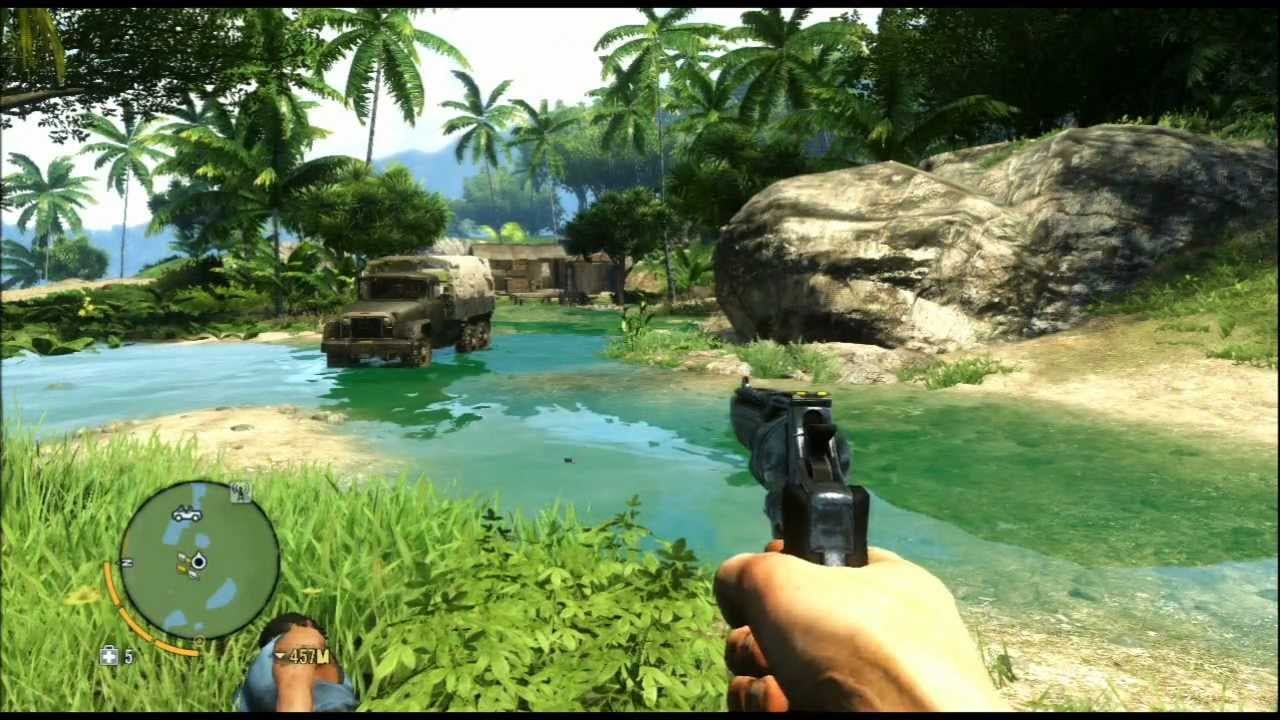
The game shelf below is not simply a list of favourites. It is a collection of worlds, interactions, and design decisions that have stayed with me.
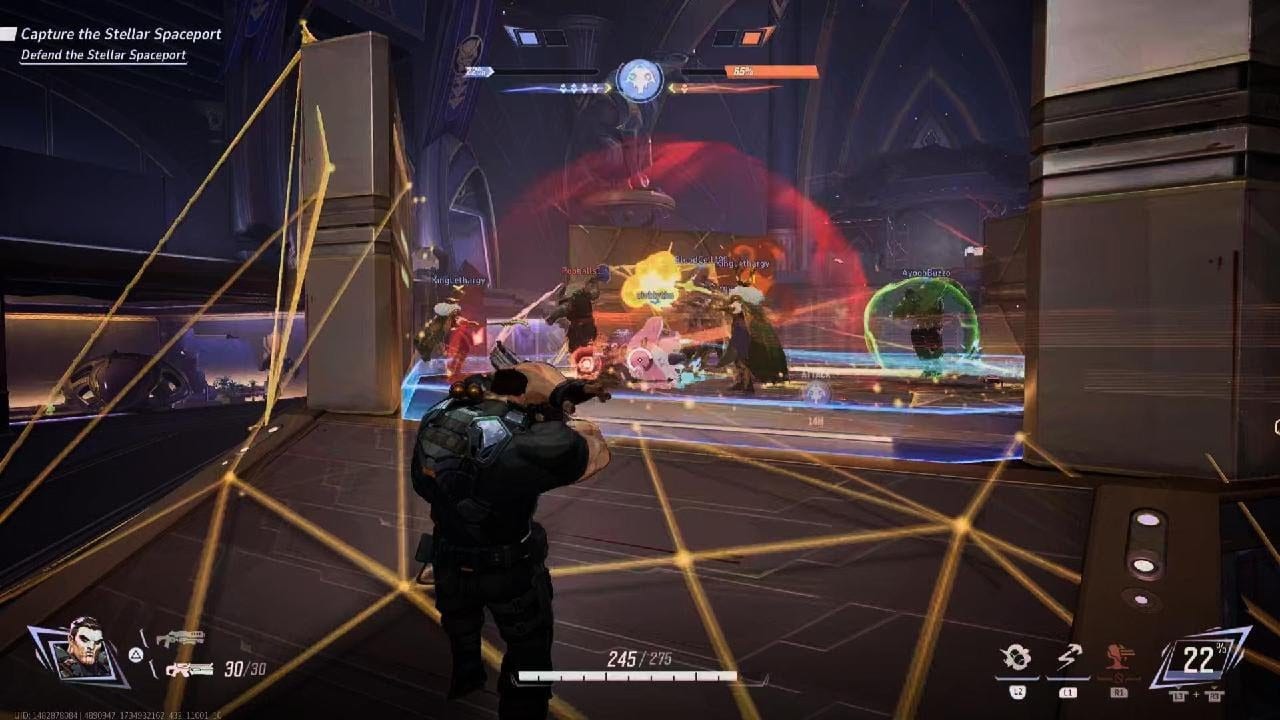
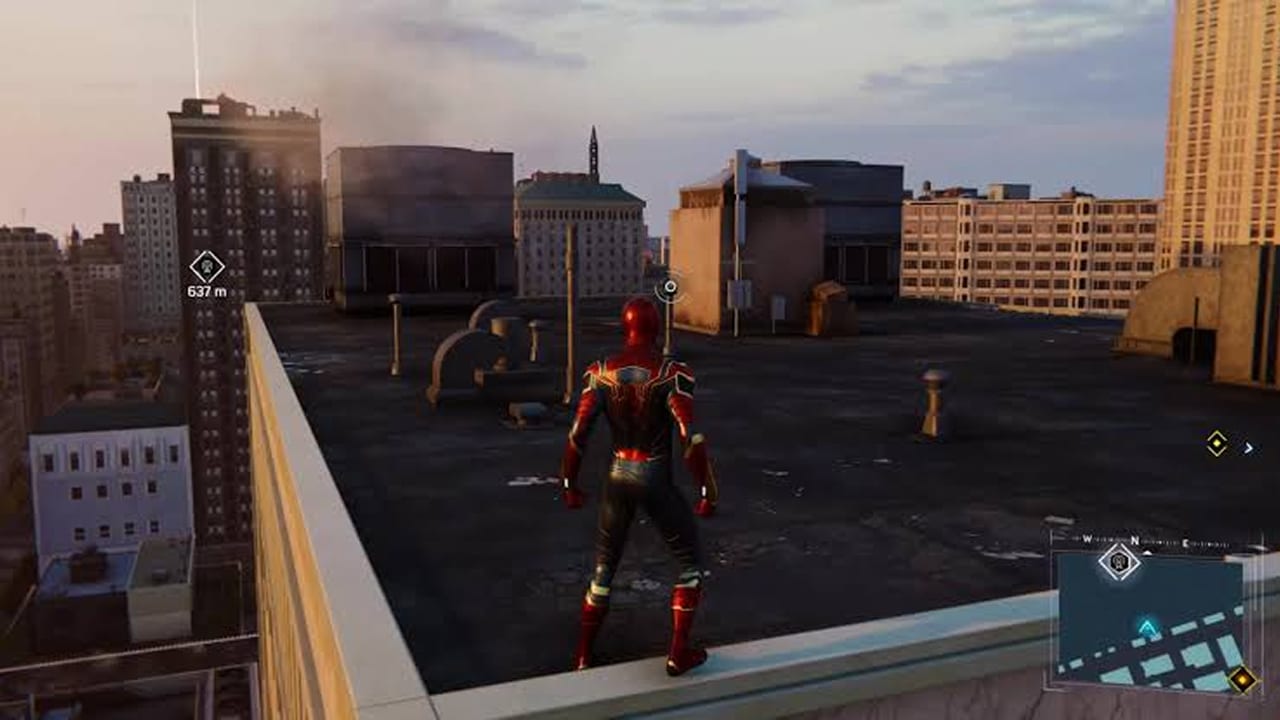
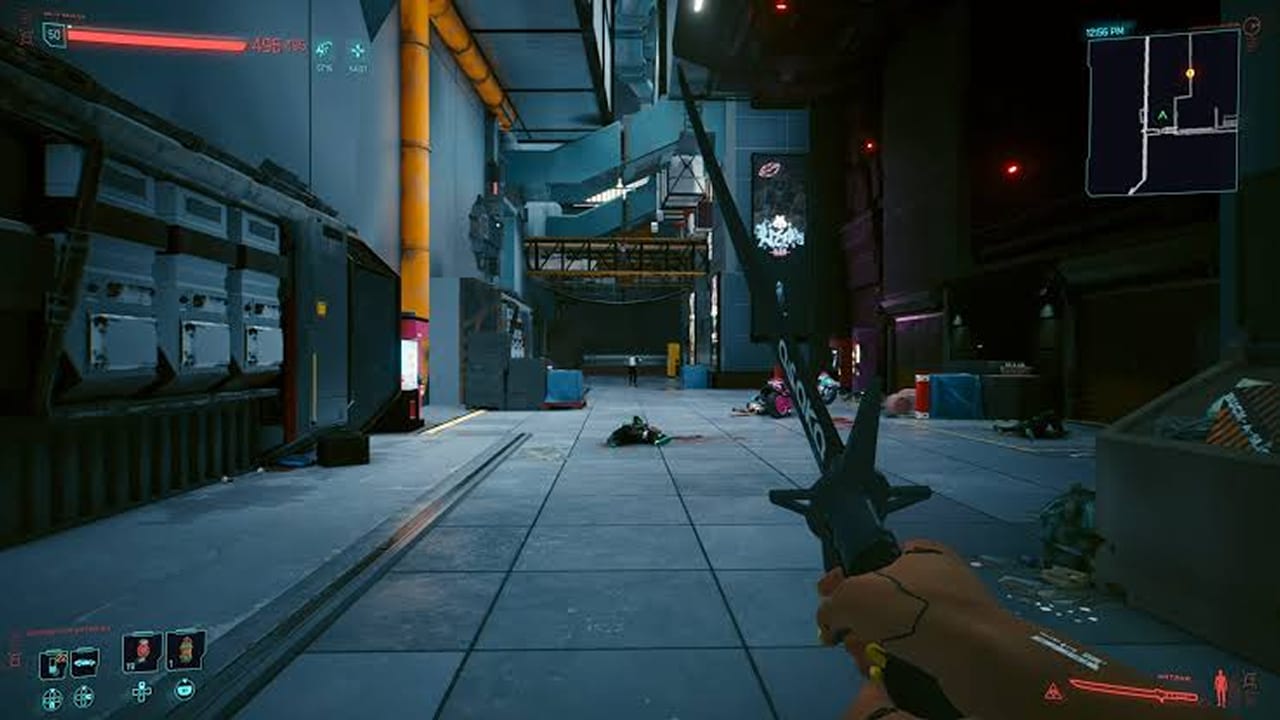

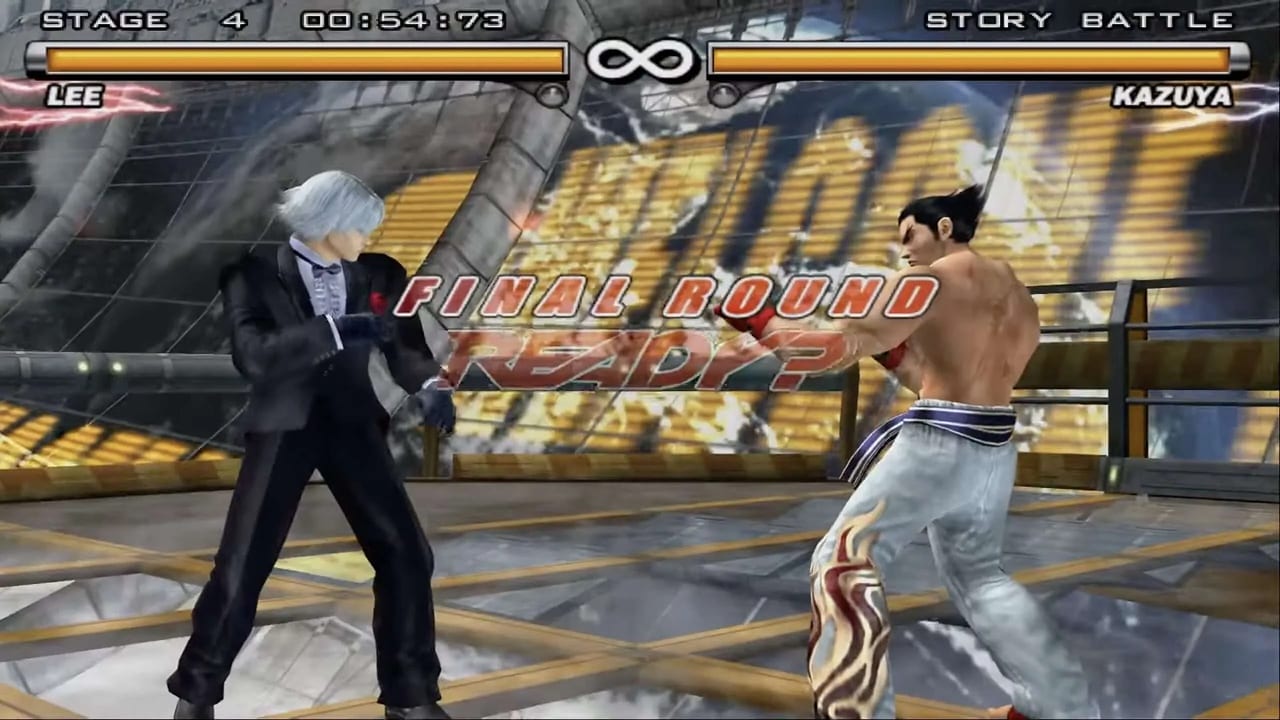
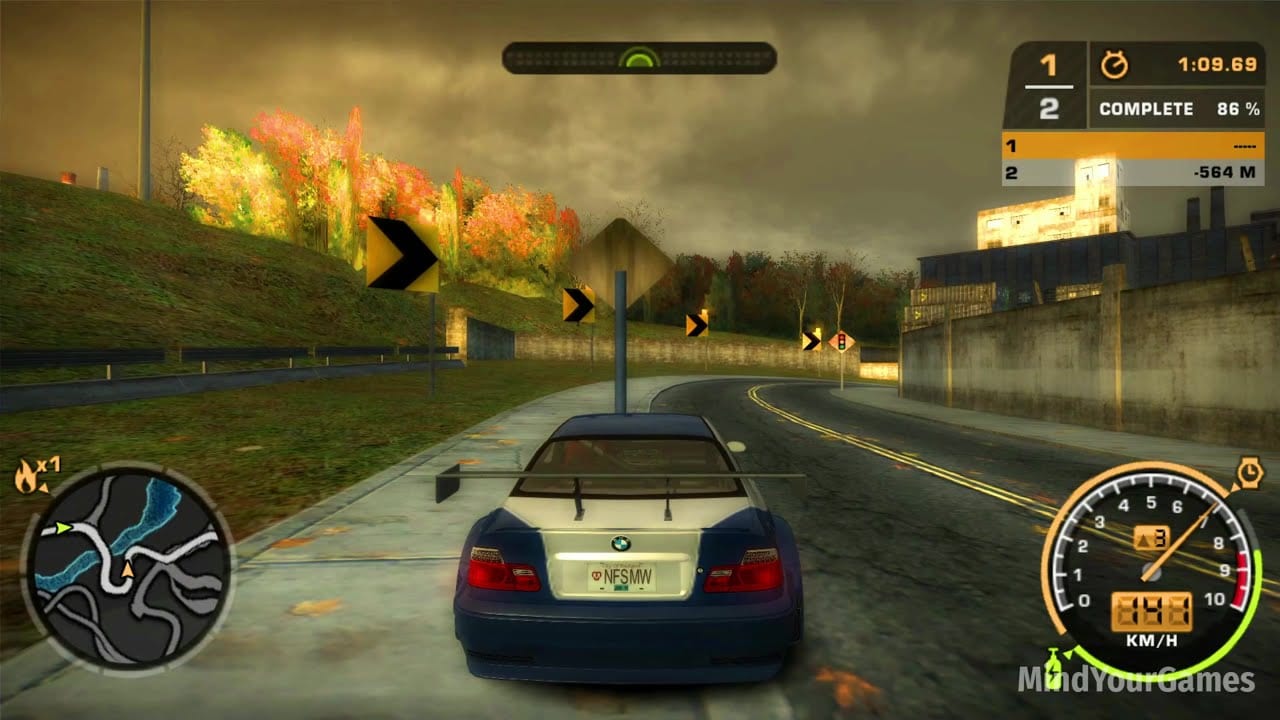
I am still motivated by the same instinct that filled the margins of my school notebooks: the urge to make something, understand how it works, and see how it could be better.
The places I have lived and studied have changed. The tools have changed too.
The instinct has not.